
South Beach Stories
South Beach Was Once a Coconut Farm
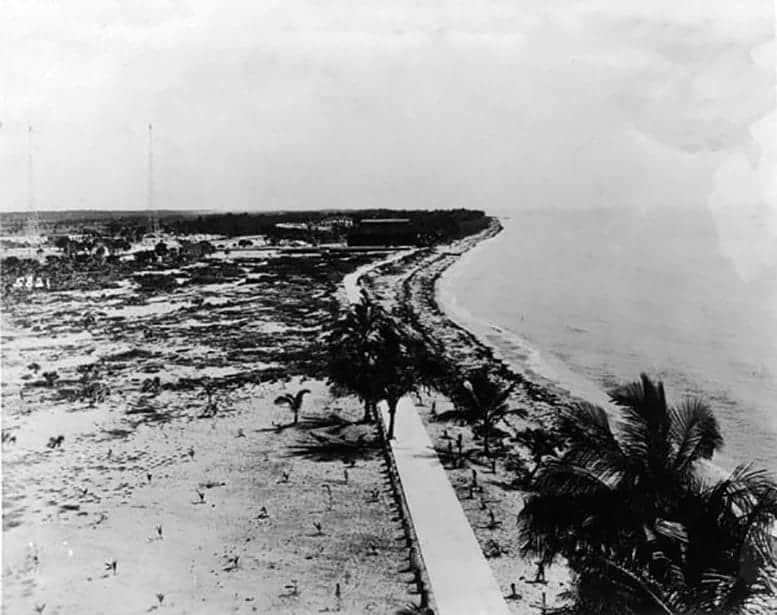
Long before South Beach was the hotspot it is today, it was home to vast coconut plantations. In the late 1800s, a farmer named John Collins tried to profit from the coconut boom, but his plan didn’t work out. His legacy, however, lives on through Collins Avenue, named after him.
Al Capone’s Miami Hideaway
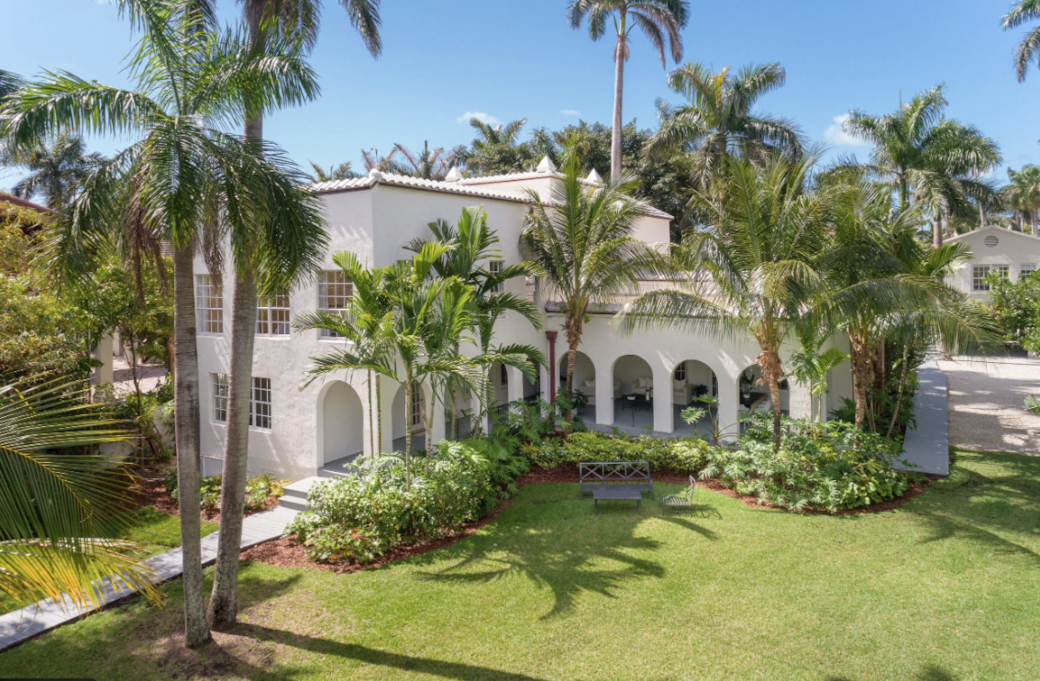
In the 1920s, notorious gangster Al Capone made South Beach his winter retreat, buying a mansion on Palm Island. While city officials worked hard to keep Miami’s reputation squeaky clean, Capone added to the area’s colorful, underground allure.
The Art Deco District Almost Disappeared
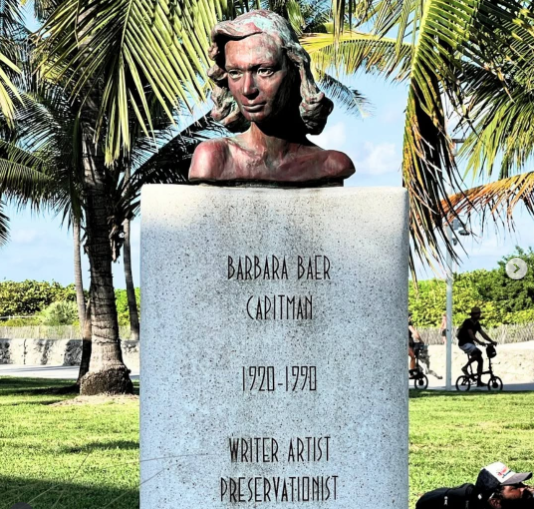
If it weren’t for passionate preservationists, the iconic Art Deco buildings might have been torn down in the 1970s to make way for modern high-rises. Thanks to advocates like Barbara Baer Capitman, this district is now one of the largest collections of Art Deco architecture in the world.
Miami Vice Changed the Game
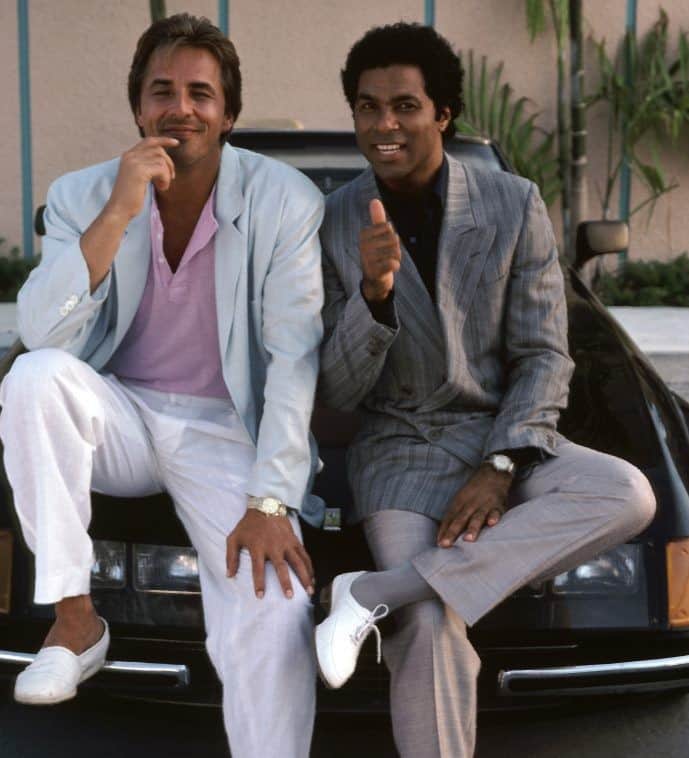
In the ’80s, South Beach was a neglected area with high crime rates, but the TV show Miami Vice helped turn it into a neon-lit paradise. The show’s influence helped establish the signature pastel aesthetic we see today, contributing to the revitalization of the area.
South Beach’s Sand Isn’t Local
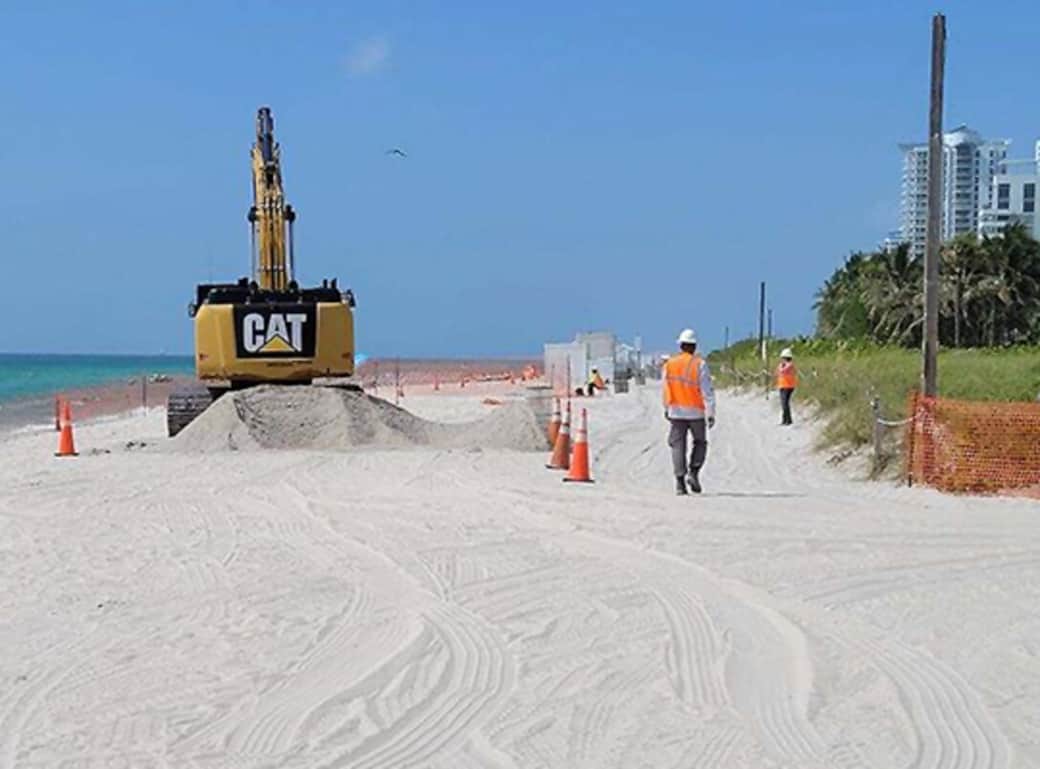
The pristine sand you’re lounging on wasn’t actually sourced locally. It’s been imported from the Bahamas and other areas over the years due to beach erosion. So, while you’re soaking up the sun, you’re actually on imported sand!
Lincoln Road Was Once a Horse Track
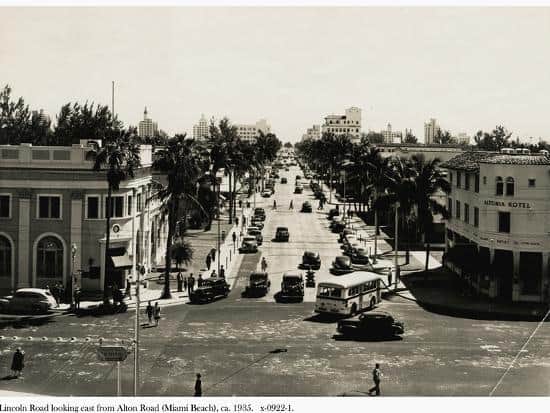
Before it became a bustling shopping promenade, Lincoln Road was used as a racetrack for Miami’s wealthiest residents in the early 1900s. In the ’50s, architect Morris Lapidus transformed it into the trendy, pedestrian-friendly area we enjoy today.